Termite Control in Medford & Evesham Township, NJ
Medford and Evesham Township sit on the edge of the Pinelands, where sandy, moist soil creates ideal termite habitat. Know the signs before a small problem becomes a structural disaster.
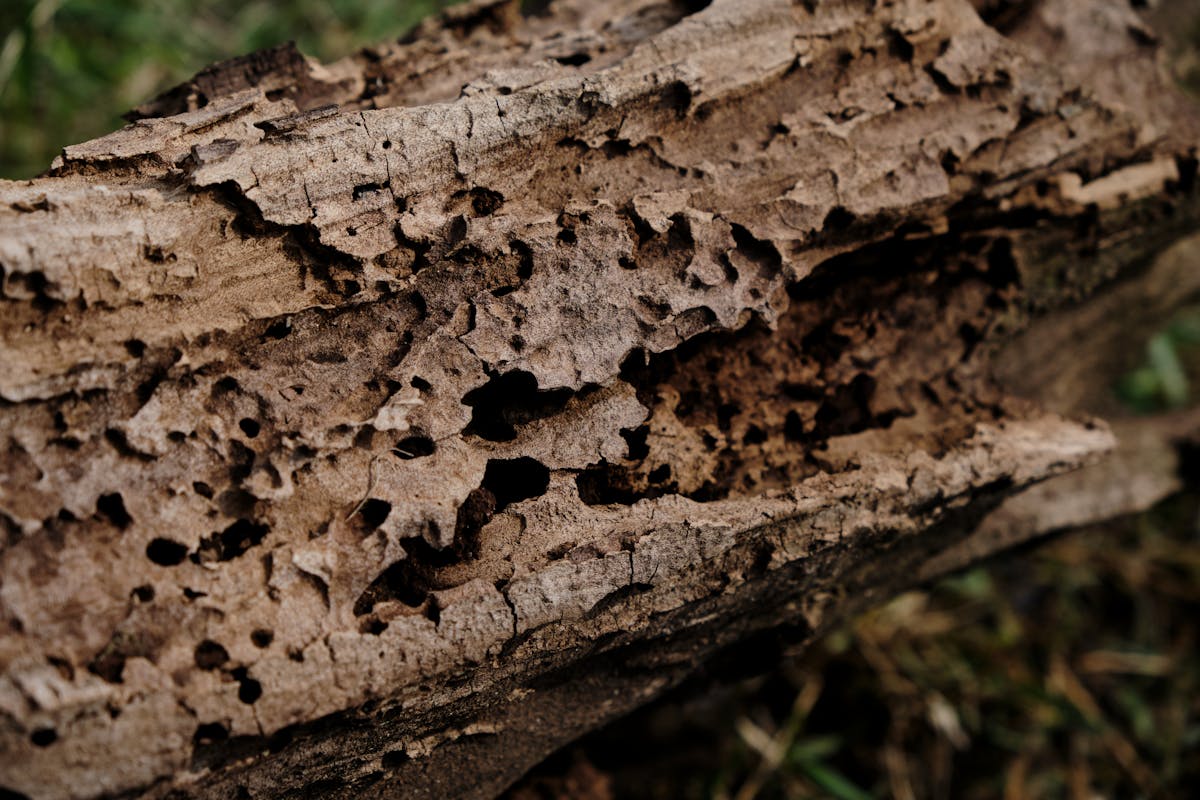
Why Medford and Evesham Have Serious Termite Problems
If you live in Medford, Medford Lakes, Marlton, or anywhere in Evesham Township, you need to think seriously about termites. This part of Burlington County sits at the northern edge of the New Jersey Pinelands, and the sandy, loamy, moisture-retaining soil in this area is exactly what subterranean termites need to thrive.
Termites are not a question of “if” in this region — they are a question of “when.” Soil termite populations in Pinelands-adjacent areas of Burlington County are among the most active in the state. Colonies that began decades ago are large, established, and actively foraging through the soil toward any wood structure they can find.
The Pinelands Factor: Why This Area Is Different
The New Jersey Pinelands ecosystem is unique in North America. The sandy, acidic soil drains quickly but retains enough moisture at depth to support massive subterranean termite colonies year-round. Unlike clay-heavy soils further north in New Jersey, the Pinelands-adjacent soils in Medford and Evesham allow termites to tunnel deeply and widely, reaching structures from surprising distances.
The wooded character of Medford Borough and Medford Lakes means that termite colonies have abundant natural food sources — fallen logs, tree stumps, wood debris — that help them grow to enormous sizes before they ever reach a house. By the time a large Pinelands-area colony turns its attention to a home's foundation, you may be dealing with a million-insect colony that has been feeding for years.
Older Medford Homes vs. Newer Marlton Subdivisions
There's an important distinction between Medford Borough and Medford Lakes on one hand, and the Marlton section of Evesham Township on the other.
Medford Borough and Medford Lakes contain many homes built in the 1950s, 60s, and 70s. These homes:
- Were built before modern pre-construction termite treatment was standard practice
- Have had decades for wood members to accumulate the slight moisture damage that attracts termites
- Often have crawl spaces rather than full basements, with wood-to-soil contact that gives termites easy access
- May have received termiticide treatments years ago that have long since degraded
Marlton's newer subdivisions face a different but equally serious risk. Homes built in the 1990s and 2000s often received pre-construction soil treatments — but those treatments have a lifespan. After 10–15 years, the termiticide in the soil around these homes may no longer provide protection. Many Marlton homeowners are living in homes that feel new but have expired termite protection. This is a window of vulnerability that termites are ready to exploit.
Recognizing Termite Swarm Season in Burlington County
Swarm season in the Medford and Evesham area typically begins in late March and runs through May, with peak activity in April on warm days following rain. Here's what to watch for:
- Swarmers: Winged termites emerging from the ground or from wood inside your home, often near windowsills where they're attracted to light. They're frequently mistaken for flying ants — but termites have straight antennae, a thick waist, and wings of equal length.
- Mud tubes: Pencil-thick tunnels of mud running up your foundation, along joists in the crawl space, or through expansion joints in the slab. These are the highways termites build to travel from soil to wood while retaining moisture.
- Hollow-sounding wood: Tap along baseboards, door frames, and window sills. Wood that has been hollowed by termites sounds papery and thin instead of solid.
- Frass: Small piles of what looks like sawdust or coffee grounds near wood surfaces — actually termite droppings or excavated wood particles.
If you see swarmers inside your home, that is not just a sign of a termite colony nearby — it means there is an active colony already inside your structure. Call immediately.
Treatment Options for Medford and Evesham Homes
Modern termite treatment has advanced significantly beyond the old practice of flooding soil with liquid termiticide. Today's options include:
- Liquid termiticide barriers: Applied around the perimeter and under the slab, creating a chemical barrier that termites cannot cross. Highly effective for immediate protection.
- Termite bait systems: In-ground stations placed around the home that attract termites, which then carry a slow-acting bait back to the colony. Eliminates the entire colony rather than just blocking it.
- Combined approaches: For active infestations in older homes, a combination of liquid treatment and bait stations provides both immediate protection and long-term colony elimination.
For Medford Lakes' lakeside homes and any property with a crawl space, we also recommend encapsulation — sealing the crawl space to reduce moisture, which makes the environment far less hospitable to termites and other wood-destroying insects.
Schedule Your Termite Inspection Today
A professional termite inspection of your Medford or Evesham Township home takes less than an hour and can prevent tens of thousands of dollars in structural damage. We inspect foundations, crawl spaces, sill plates, and joists for active termite activity, mud tubes, moisture damage, and other risk factors.
Call Burlington County Pest Control at (856) 347-5079 to schedule your inspection. We serve Medford, Medford Lakes, Marlton, Evesham Township, Mount Holly, and all of Burlington County.