Stink Bug Invasion: How Burlington County Homeowners Can Prepare This Fall
Brown Marmorated Stink Bugs invade Burlington County homes every fall. Suburban homes near orchards and farmland are hardest hit. Here's how to get ahead of it this year.
Every Fall, the Same Thing Happens in Burlington County
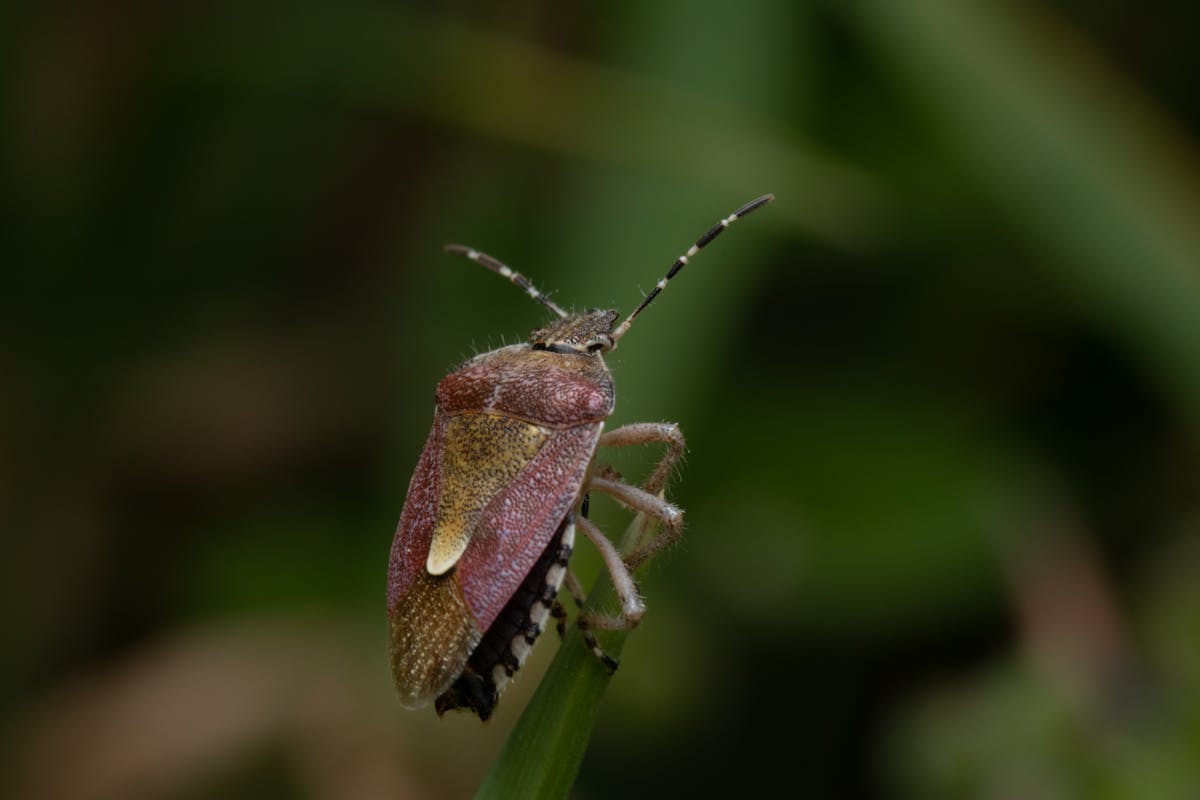
As summer transitions to fall in Burlington County, homeowners from Marlton to Medford Lakes to Mount Laurel start noticing the same thing: brownish, shield-shaped bugs appearing on south-facing walls, crawling through window frames, and clustering on warm exterior surfaces. By the time they've made it inside the walls and into attic spaces, a single Burlington County home can harbor hundreds — sometimes thousands — of brown marmorated stink bugs waiting out the winter.
The brown marmorated stink bug (BMSB) is one of the most frustrating fall pests in Burlington County because the invasion window is short, the entry points are numerous, and by the time you see them in meaningful numbers indoors, they're already established in the wall voids where standard spray treatments can't reach.
Why Burlington County Homes Get Hit So Hard
Burlington County's stink bug pressure is amplified by two factors unique to its geography:
Agricultural and orchard land. The eastern sections of Burlington County still have active farms, orchards, and vegetable operations that host enormous stink bug populations throughout the summer. As these agricultural hosts die back in fall, the stink bug populations that built up all summer disperse into the surrounding residential landscape looking for winter shelter. Homes in Evesham Township, Medford, Southampton, and Lumberton near farmland or orchards bear the brunt of this fall migration.
Wooded residential development. Burlington County's suburban expansion has created a landscape of wooded residential neighborhoods with abundant stink bug habitat directly adjacent to homes. The forest edges, ornamental plantings, and wooded buffers throughout communities like Moorestown, Medford Lakes, and Tabernacle support large stink bug populations that target the nearest heated structures when temperatures drop.
The Fall Timeline: When to Act
Understanding the stink bug fall invasion timeline helps you act at the right moment:
- August: The window for proactive exclusion and perimeter treatment. Stink bugs haven't started aggregating yet, but sealing entry points now prevents the mass entry that happens in September. This is the highest-value action you can take.
- September: Aggregation begins on south and west-facing walls. Adults are seeking warm surfaces and entry points. Exterior perimeter treatment is most effective when applied during this stage.
- October: Mass entry into wall voids and attic spaces. By this point, most of the entry has already occurred for the season. Interior vacuuming, sealing interior cracks, and keeping living areas clean are the best options.
- November–February: Stink bugs are dormant inside wall voids. They emerge on warm days, becoming active and finding their way into living spaces. The most frustrating period for homeowners.
- March–April: Stink bugs exit overwintering sites as temperatures warm and attempt to leave the structure. This is when they become most visible indoors.
Professional Exclusion: The Real Solution
Stink bug management requires two complementary approaches to be effective:
Exclusion (structural sealing): Identifying and sealing the entry points stink bugs use to enter wall voids and attic spaces. Key areas include: gaps around window and door frames, utility penetrations, weep holes in brick construction, deteriorated soffit and fascia, gaps at roofline junctions, and missing or damaged attic vent screens. Professional exclusion work done in August — before stink bug aggregation begins — is the most effective single intervention.
Perimeter treatment: A professional-grade exterior treatment applied to foundation walls, window frames, door frames, and the lower courses of siding in early September kills stink bugs attempting entry and provides a treated zone that reduces aggregation pressure. This is most effective when applied before visible aggregation begins.
The combination of exclusion + early-September perimeter treatment can reduce stink bug intrusion by 80–90% compared to taking no action. Waiting until you see them clustering on your walls reduces treatment effectiveness significantly.
What Not to Do When Stink Bugs Are Inside
- Don't crush them. The defensive odor they release is unpleasant and can attract more stink bugs through aggregation pheromones.
- Don't use aerosol sprays indoors. They're minimally effective on stink bugs and scatter them through the structure.
- Do use a vacuum to collect and remove them. Empty or seal the vacuum bag immediately to prevent the odor from permeating the vacuum.
- Do seal indoor gaps around baseboards and window frames where stink bugs are finding their way from wall voids into living spaces.
Get Ahead of Stink Bug Season in Burlington County
The most effective time to call us is August — before stink bug aggregation begins. We serve Burlington County homeowners throughout Marlton, Evesham Township, Medford, Moorestown, Mount Laurel, Medford Lakes, Lumberton, Southampton, and all surrounding communities.
Call (609) 793-8707 to schedule an exclusion assessment and get a plan in place before fall stink bug season arrives. One good exclusion job can change the experience of every fall going forward.